

FIFA World Cup, LA Olympics 28, and the Business of Customer Experience
Because we are experience designers (of fan experience transportation hubs and systems), who also happen to be mega-soccer fans, three years before the first ball was kicked at MetLife Stadium, The Petrova Experience keynoted at the New Jersey Travel and Tourism Conference in 2023, talking about how to map the journey for fans and maximize local experiences. We continued that conversation last year, leading the panel “Leveraging the World Cup as Transportation’s Signature Moment” at the New Jersey TransAction Conference, alongside experts from FIFA, PANYNJ, Amtrak, and New Jersey Transit.
In preparation for the World Cup games, the New York region built a compliant, multi‑agency mobility plan for moving fans to and from MetLife Stadium. And it is emerging as a live case study for transportation best practices for mega-events. With the Olympics coming to Los Angeles in 2028, those and other fan experience lessons are well-timed.
Major sporting events are built around competition, national and local pride, and global celebration and engagement. They invite, to a single space at a single time, large groups of individuals with varying needs, wants and expectations. All in a high-stakes atmosphere where fans commit time, money, and energy. As such, at their core, sporting mega-events are customer experience business. In the case of FIFA World Cup 2026 or the upcoming LA 2028 Olympic Games, they succeed or fail based on how well millions of people move, spend, and feel through every phase of their experience journey. Importantly, the stadium is only one part of that journey. The actual customer experience challenge, and the significant CX opportunity, exists in the intentional design of the end-to-end fan journey.
Below, we discuss three reasons why major sporting events like World Cup and the upcoming Olympic games are, fundamentally, customer experience business. And how to generate opportunity and revenue from that business by delivering on customer happiness.
1 End‑to‑End Communication: The Journey Starts Before Fans Arrive and Extends After Fans Depart
I use the terms arrival and departure intentionally, because there is much to be applied from international airport best practices to fan experience design and management at mega-events, as I discuss further in reason two. Fans do not become the responsibility of the event organizers or the stadium the moment they arrive at the stadium. In fact, arrival is a journey stage that occurs many steps into the navigation of their end-to end journey, which often begins months before the match.
Think about ticket purchasing, travel decisions for the long and short legs of trip to the stadium, accommodation selection, and more. Through every moment that leads to game day arrival, communication must serve as the backbone of the journey.
On the most basic level, around the idea of transportation to and from the stadium (an important consideration in whether or not the fan can complete a ticket purchase), communication must answer three essential questions. First, how do I get to the stadium? This includes what public transportation options are available. And be mindful, in the lead-up to events like LA Olympics 2028, that public transportation takes a variety of forms, including the implementation of modes new to the market and new to national and international travelers. Case in point, at the end of 2025, Archer Aviation was named the official Air Taxi Partner of LA Games 2028. Innovative modes of transportation require a new focus on communication to fans that includes information, education, and trust building.
Customer-first communication builds customer trust. When trust takes shape prior to event arrival, fans are more likely to engage fully in the journey. This means that, through arrival, seating, watching the game and walking around concession areas, they move seamlessly through the experience modes of task, discovery, entertainment, and aspiration. Wrapped in trust-oriented communication, fans are confident enough to relax and enjoy the experience fully before the game starts. And to maintain that sense of calm confidence through the departure process after the game ends. In that state, supported by clear communication, fans are able to navigate seamlessly, improving the flow in and out of the stadium. They are also able to take advantage of purchasing opportunities. The calm fan who feels a sense of trust, and is enjoying the experience, is more likely to choose the concessions with the upcharges and to purchase souvenirs that remind them of a great experience.
A second key question fan communication must answer is how do I get home safely? The answer to this question requires coordinated communication across multiple channels and stakeholders. That includes ticketing platforms, transit authorities and relevant city agencies. As well as stadium operators and security teams, and hospitality partners and vendors. A worst case scenario is a fan who has experienced a positive, supportive journey through the last play of the game, then feels lost, exhausted, and abandoned after the final play. From an experience communication point of view, it is important to keep the fan’s state of happiness elevated when the game is over through the trip out of the stadium and home.
That sense of happiness facilitates patience necessary to deal with inevitable travel chokepoints and wait times. It cannot be achieved when communication is fragmented. Fragmented communication leaves fans feeling lost. Unified, consistent communication, on the other hand, keeps fans feeling confident, cared for, and supported. Importantly, while developing that unified communication, consider all the modes through which you interact with fans on their journey from the stadium. That includes physical and digital static and dynamic signage and wayfinding. It also includes supported communication through fan and travel apps. Audio announcements at the stadium, and fan experience ambassadors along the journey. As fans make their way from the stadium to their chosen modes of transportation, the same media should be used across providers to leverage the extended fan experience. To maintain the desired experience state, fans should feel like their event experience extends along their journey back home. It does not end abruptly at the stadium exit.
As we have seen in our work, fans need predictability, not just information. They require – and deserve – communication that reduces cognitive load, anticipates and proactively addresses questions, and guides them through their end-to-end journey with clarity and empathy.
2 Arrival and Departure: Airport Lobby Lessons for Stadiums
Something we uncovered when designing the JFK Terminal 5 lobby, and in subsequent airport lobby experiences, is that the space must anticipate and serve customer needs during peak travel times and seamlessly support employee experience. The arrival and departure needs at stadiums during major events can learn and apply these lessons from the airport environment.
When fans leave their transit mode, approach the venue, and enter the security queue, they are experiencing a high‑stakes arrival moment. In customer experience terms, at this moment, stadiums function much like airport lobbies. They manage large crowds and time‑sensitive movement. There is high emotional energy, and a mix of seasoned and first‑time visitors who need clarity, confidence, and direction. In real-time, with no time to spare.
But the more significant pressure point that can break the overall experience if it is handled improperly, is departure. Why? Although the start of a game is a fixed time, fans arrived in staggered patterns based largely on their own, self-directed preferences. Some fans (like some airport travelers), like to arrive as early as possible to give themselves time to walk around the stadium, get oriented, enjoy shopping and concessions before heading to their seats. Others rush in right before the game starts (a peak arrival time). And still others may arrive after the game begins.
Departure, on the other hand, is fixed. When 60,000–80,000 people leave a stadium at the same time, the environment can become a perfect storm of high confusion and high stress. Fans are tired, emotionally charged, and eager to get home. One side has just suffered a loss. Another is amped over a win. This is where customer experience design matters most, from a crowd management point of view and a fan experience point of view.
A well‑designed departure experience includes four key elements: clear wayfinding, predictable exit routes, real-time communication, and frontline support.
Clear wayfinding anticipates crowd flow. It empowers fans to manage their own navigation, reducing bottlenecks, backtracking, and journey interruptions. Think about a fan, we will call him Jack. It is his first time in the stadium and he is overwhelmed. Having no frame of reference for the space, he feels like he is being swallowed by a crowd. And, because he does not know which direction to take, he stands, confused, in the middle of the path out of the stadium.
Done right, wayfinding helps reduce painpoint moments like this that undermine not only Jack’s individual experience, but the experience (and overall safety) of those around him.
Predictable exit routes reduce bottlenecks. They allow fans to make path of travel decisions when there is sufficient space and time to move along that path. This improves the overall people flow through the space, minimizing instances of backtracking and stopping mid-journey. In the high-stakes emotional moment of departure from a mega-event, when tensions can peak and people are feeling tired or overwhelmed, easy-to-find and access exit routes help alleviate tension on the infrastructure and the individuals moving through it.
Real-time communication guides fans to transit options, rideshare, and parking locations. It enables the stadium to provide relevant messaging that impact fans’ decisions about next steps. Clear communication, as a rule, helps keep fans feeling informed and capable. It reduces their need to stop and ask for help, confirms they are on the right path of travel, and alleviates feelings of uncertainty and anxiety. Taken in full, real-time communication enables smoother, calmer movement out of the arena. And facilitates smooth transitions to public transit and other travel modes for the journey home.
Finally, frontline support, positioned at journey decision points (not only at gates), helps facilitate seamless movement out of the arena. Support helps keep the crowd calm and confident as they make their way home. Designing support locations at spaces in addition to gates reduces bottlenecks and demonstrates an underlying respect for the time and needs of fans.
An important takeaway, here, is a lesson we bring from designing transportation experiences at transit hubs and airports. When the departure experience is not designed intentionally, frustration spreads quickly. It never stops at one frustrated or confused person. Panic spreads through crowds, especially a crowd that is already in a high emotional state. Last impressions are as important as first ones. If customer experience fails during the departure phase of the journey, it colors the entire event experience. Regardless of how many other touchpoints along the journey you got right. Conversely, when fans leave the arena with a sense of ease, they depart feeling safe, supported, and satisfied. Even if not every phase of their experience went perfectly.
Concessions and Revenue: Customer Happiness Drives Spend
Seamless journeys drive revenue. Customers who feel confident and supported spend more money. We know this simple customer experience principle from airport projects and our work leveraging customer experience for non-aeronautical revenue.
Sporting events, and the fan journeys built around them, are perfect examples of experience excellence as revenue generator. Fans arrive excited, energized, and emotionally invested. Assuming arrival and communication experiences are seamless and supported, that emotional energy translates to positive discretionary spend. Fans buy more food and merchandise because they are motivated to participate fully in the experience and to immortalize it with souvenirs. They tolerate the stadium’s premium pricing. In fact, they are inclined to enthusiastically choose premium experiences because the overall experience feels worth it.
The numbers bear this out in the airport environment. In 2025, JD Power found that passengers who rate their experience as “just ok” spend an average of $25.85 in the terminal. By contrast, passengers who rate their experience as “perfect,” spend $42.39. Consider this in the stadium environment, where the average price of a soda at a 2026 FIFA World Cup game is $7.75.
The path to significantly higher revenue is clear when that path is built on the foundation of superior customer experience journeys. But, if the journey is stressful, confusing, or chaotic, spend drops. Fans retreat. They avoid lines and skip purchases. They leave early.
Major Events are Customer Experience Business
The World Cup and the Olympics are global celebrations of athletic excellence and opportunities to express national and local pride. But behind the spectacle of these mega-events is a complex, high‑stakes customer experience operation that determines whether fans feel exhilarated or exhausted. The same is true for smaller-scale fan experience events, too. In all cases, end-to end communication, the arrival/departure experience, and concession and revenue are essential pieces of that customer experience operation that determine ROI for stadiums and other event stakeholders.
Human experiences, designed holistically and with intention, leave fans not merely satisfied, but delighted. Talk with us about how to leverage customer experience for maximum value for fans, stadiums, and stakeholders.


Grateful for Customer Experience Heroes
When we launched The Petrova Experience, we did so with the words “in pursuit of customer happiness.” Pursuit of happiness is part of every interaction we have with our clients,…
United CEO does not care about #customers happiness. Really?
Lately, I have been thinking about United Airlines and its organizational culture. Initially, I thought about United Airlines culture because someone asked whether it is possible to build a customer-centric…

How to Build Customer-Centric Culture
Before we address how to build customer-centric culture, let’s examine the terminology: what culture is and what it is not. Culture is not executives talking about high level strategy. Equally,…

Why You Need Culture Not Call Center Training for Customer-Centric CX
If the organization does not understand what customer experience is, you will not get the funding or organizational support you need to build customer-centric experiences.

Holiday Wishes for Great CX: Career Advice Edition
Every successful customer experience initiative starts with a skilled CX team. Brush up on your CX skills to strengthen the business case for CX; to develop relationships within your organization; and to deliver standout customer experiences in the new year.

Top CX Design Challenges in 2021
Customer experience design challenges in 2021 remind us of the overall challenges that face organizations in a year marked by changing expectations and demands. Top customer experience design challenges include…

Customer Engagement ROI
We have discussed the power of employee engagement for your brand. And we have explained the true meaning and ROI of a working organizational culture (a culture that starts at…

How ChatGPT Can Help with the Healthcare Quadruple Aim
How ChatGPT can help healthcare and other industries is consuming conversations far beyond patient and customer experience. As much as we are leading the charge about AI regulation, best practices,…

What is Customer Experience for Built Environments?
A tweet grabbed our attention this week: “The Atlanta Airport (ATL) designers were like ‘and then what if we had them run 5k?’” In addition to making us laugh, this…

Why No One is Collecting Authentic Customer Feedback
Businesses need customer feedback collection to thrive in a competitive market. Everyone thinks they are collecting and acting on customer feedback, yet 80% of US companies failed to increase customer…

Interoperability is a Business Risk for Medtech and a Healthcare Risk for Patients
Looking at patient experience and healthcare interoperability in the medtech environment, any observer (customer experience expert or not) recognizes something is broken. A thorough exploration of what is broken exposes…

Customer Facing Experience: Communication and Hospitality
Today, we are talking about communication as part of the customer facing experience. This is one of the most misused and misinterpreted notions both in our professional lives and our…

Life, Liberty, and the Pursuit of [Customer] Happiness
Seven years ago, when we launched The Petrova Experience, the 250th Anniversary of the founding of the United States felt far away. However, its founding principles, particularly the pursuit of…

Customer Experience Audit: Mobile Provider Eliminates Remote Workforce
How to balance the efficiency call center metric FCR (first call resolution) with wait and talk time? JetBlue promotes human interactions as a brand promise.
Customer Experience Best Practices for 2018?
The JetBlue blog features Liliana Petrova in a new four-part series. The series is on Customer Experience and Customer Experience Innovation. 2017 Lessons Liliana gathers insight from 2017 customer experience…

Do You Know Why The Iconic Brand Toys ‘R’ Us Closed Doors Despite All Our Memories? #RetailBlues
The year is 2016. You are the CEO of Toys ‘R’ Us. Your brand still controls 13.6% of the toy market although the company is highly leveraged, a strategy of…
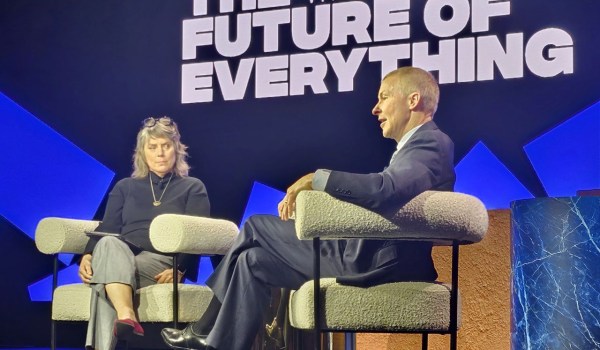
What the United JetBlue Partnership Signals for Passenger Experience and Airline Revenue Optimization
Last week I had the pleasure of seeing United Airlines CEO Scott Kirby at the WSJ Future of Everything Festival. And to hear from him about the just-announced United JetBlue…

For Complex Infrastructure Projects, Teaming is All About Timing
According to a 2025 Design-Build Utilization Study, design-build is projected to represent over 47% of US construction spending by 2028, to total more than $1.1 trillion. With projects of this…

Hospitality Experience and Why We lack Seamless Travel Experiences
Hospitality is taken for granted across government agencies, airlines and hotels. In my line of work, I often hear “I want to have the JetBlue customer experience.” Although many claim…

How Customer Experience Promises Threaten Manufacturer Growth
Rarely, does a business lose major accounts due to dramatic or public failure. They lose major accounts due to mismanaged relationships, a loss that is all-too common in a manufacturing…

Autonomous Customers, Traveler Privacy and More Questions for CX Professionals in a Changing World
“As we move toward a more automated culture, most travelers will adapt to a Jetsonian, automated lifestyle. Every industry we know will be disrupted. For those of us in aviation,…

The Wholehearted Traveler and Other 2024 Travel Trends
Back in 2020, we predicted the rise of the Revenge Traveler and the impact it would have on travel and hospitality experience providers. As we approach 2024, we are spotting…

How to Build a Customer-Centric Culture for Highly Effective Teams
When we look at how to build a customer-centric culture, we must look inside the organization first. True customer centricity happens when an organization masters group dynamics to harnesses the…

Customer Experience Plan is More Important than Ever
Last week we published eight Customer Experience Trends to look out for in 2021. Today we are diving deeper into the first one: Customer Experience is more important than ever…

Aviation Industry, Coronavirus Isn’t the Only Thing Killing Us
Eighteen years ago, September 11th caused a three-day halt of the US commercial airlines and resulted in a 31.6% reduction in travel in September 2001 compared to the previous year….

New Frontiers in Passenger Experience: Where is the Passenger in the Urban Air Mobility Ecosystem?
Two years ago, I stood on stage at the Aviation Americas Festival in Miami and asked a provocative question: What if the future of aviation isn’t just about aircraft, but…

Paperless Customer Journey – JetBlue Deviceless Boarding
JetBlue Biometrics – Innovation and Disruption This year, JetBlue entered the ranks of the innovators who disrupt industries by applying customer experience technology. They not only imagine the future. They…

CX Skills Builders: You May Have a CX Job and Not Know It
Last week we talked about the identity crisis of CX professionals and we urged you to fix any small problem or seam on the customer journey in order to build internal brand equity and buy in.

End to End Customer Experience – How to Get it Right
When we think of travel, we often think of the flight experience. But the end to end customer experience is complex, and includes all modes of transportation that get you…

Why Your Employee Experience Journey Matters
This week, Andy Newman wrote a great article in The New York Times about the life of a retail sales agent. He used the example of an Old Navy sales…

3 Cost Conscious Mistakes in Hospitality Implementation that Lose Money
Hospitality is a cornerstone of customer experience in travel, healthcare, and across industries. There is no question that hospitality is essential for creating world class, seamless experiences and driving customer…

From Pain Points to Magical Moments: Transform the Customer Experience
Argyle Journal interviewed Liliana Petrova about emerging self service technology and meeting and exceeding customer expectations in airports. One such way, as Liliana explains, is to create magical customer experience…

The Customer Service Agent is Dead
When we outlined our CX trends for 2026, we talked about how autonomous service is replacing traditional customer service. Yes, our claim that the CSA (customer service agent) role is…

Would You Pitch In To Save Toys “R” Us For Your Children To Experience? #ToysRUsGoFundMe
Last week we laid out the big moves that the leadership of Toys ‘R’ Us failed to take to evolve with customer needs and thus joins other brands as examples of…
How Do You Know You Are Making The Right Big Bet?
The future of customer experience is full of opportunities. However, the technologies of the future are not enough. Adaptive, memorable customer experiences require empathy and innovation. Liliana tackles this in…

Top 5 Customer Experience Design Principles in 2021
Customer experience design principles are difficult for organizations to understand and apply. Time and again, we see this in organizations, even though we encounter customer experience design principles in our…

2026 Customer Experience Trends Every CEO Should Watch
Customer expectations are shifting faster than most organizations can adapt. Over the last year, we have been talking to a variety of audiences about the reality forward-thinking CEOs cannot afford…

Beyond Customer Satisfaction: 3 Unexpected Ways CX Drives Value
It is time to debunk the nice-to-have myth about customer experience. It is true the discipline operates in the space of perception, feelings, and emotion. What is equally true, but…
No Pass During Construction: Why Airports Must Rethink Customer Experience in the Era of Capital Programs
Throughout the US, airports are entering one of the most consequential decades of infrastructure development in the history of modern aviation. According to Airports Council International–North America (ACI‑NA), US airports…

How a Personal Interaction builds Repeat Customers
A customer-centric methodology is key to the successful outcome of my interaction with Hello Spud. It is the reason this story appears here, and not among the CX Big Fails! The company did not send an automated response. It did not deliver a message stating “sorry we couldn’t help you, would you like something else.” Instead, the company co-founder reached out to me personally across multiple channels (a handwritten note, followed by personal emails).

3 Challenges of Hybrid Working and How to Overcome Them
According to a Gallup study, 53% of Americans expect to work in a hybrid arrangement in 2022 and beyond. This number is significant enough for corporate America to get hybrid…

Extend Your Travel Experience Value Proposition
Last December the Ladders published a piece that discusses business travelers who extend travel beyond the timeline of the business trip. The article says, “[a]ccording to a new study by La…

How to make work at home work?
Post-COVID employee experience is a top priority of every HR executive. Most executives I know are losing sleep over this piece of organizational culture. Their challenge is to design the…

Customer Experience Trends – 8 Actionable Tactics in 2021
As we begin Q4 of an eventful 2020, it’s time to look out for the 2021 customer experience trends and tactics for creating exceptional experiences in increasingly complex environments. We…

How Does Social Media Affect Customer Experience?
Social Media is the only real-time channel for successful brands to manage customer experience and brand management.

Customer Experience Design – How Do You Want Customers To Feel?
Last week, we talked about CX Design in terms of space and function. Today, we continue our customer experience design journey to talk about the design of emotions and feelings. All…

The Great Re-onboading: How to Bring Back Your Employees
Re-onboarding is the next employee experience organizations need to tackle. Since March 2020, leaders have encountered pandemic shutdowns, remote workforce transitions, and the Great Resignation. As restrictions lift and we…

Empathy in Customer Experience
As customer experience and hospitality professionals, we use the word empathy all the time. It is the baseline of experience design. Yet, few of us truly understand it, or how…

The Risk No Insurer Prices: Why Customer Experience is Costing Insurance Companies Renewals
Insurers are experts in pricing physical and actuarial risk. What too few have learned to price effectively is the slow, compounding erosion that comes from fragmented customer service. What is…

Why Customer Retention is the True Measure of SaaS Success
Guest Post by Callie Reynolds for The Petrova Experience In SaaS (Software as a Service), like in most businesses, sales is king. Sales gets the glory, and while I’d like…

Employee Centric Culture – Culture is King
In 2017 we introduced our ROI series recognizing the challenges all customer experience professionals have to obtain funding for CX initiatives and to prove their positive returns. Our second ROI…

What You Need To Do To Start 2018 Right
It is the end of December and we are all in reflective moods. Did I do enough for my customer experience career this year? Did I build the right team…
How Facial Recognition Works for Your Customers?
One of the hurdles for Customer Experience Consultants like us is proving the business case for bringing us on board. Leaders often think that if they talk about being customer-centric…

3 Call Center Mistakes You Are Making
No matter how often my peers and I say that technology is not the answer, call center managers still ask…

How Seamless Customer Journeys Drive Revenue
Many travel and transportation executives identify revenue sources narrowly. Think ticket sales, ancillary fees like baggage and amenities fees or premium upgrades. Many customer experience practitioners limit their scope to…

Can One Email Build Loyalty? #MYWESTELM
This is exemplary management of the post-purchase journey touch-point. For years, this level of management has been non-existent. At best, it tends to come in the form of an email confirmation that purchased items have been delivered.

Eliminate Customer Stress with Good CX
Good customer experiences design either gives back customer time or alleviates customer anxiety. If a brand’s CX isn’t achieving one of those goals, the customer isn’t getting any real or…

Why CX Design Needs to be in Your Transportation Project RFP
Ever heard this line while working on an RFP? “I know your value, but I don’t know where to put you.” We hear it all the time. Why? Because, historically,…

What is Missing in Customer Experience Today?
Customer Experience is failing. According to Forrester, US Consumer Perceptions of CX quality are at an historic low. Post-COVID the quality of customer experience eroded every year across the three…

Guest Experience: Fusion of Hospitality and Brand Connection through Design
For a customer experience consultant who designs guest experience, and a lover of the customer experience discipline, visiting a new-to-me hotel can go one of two ways. Sometimes, I am…

Bad Travel Experience
As we come to the end of the summer season, it is time to talk about travel – good and bad travel experience. And how the sharing economy has both…

5 Ways to Leverage OpenAI for Customer Experience
Back in 2017 when we served on the AI Advisory Committee for Execs In the Know, we wrote an article about the role of artificial intelligence in the future of…

Travel Experience Stories: How Not to Leave Customers Stranded
Meet Diane. Diane is traveling with her 2 year old and 5 year old to her in-laws’ house for Thanksgiving. This is the one annual trip she takes. And she…

Customer Experience Audit: eBay’s Vibrant Marketplace of the Future
Editor’s Note: This post is part of a series of Customer Experience Audits. They highlight advances in artificial intelligence in retail and other technologies. See all audit stories. Two years…

Customer Experience Audit: Cadillac Scores Millennial Customers with Future-Forward Thinking
Editor’s Note: This post is part of a Customer Experience Audit series. See all the audit stories. The automotive industry is right next to the airline industry in terms of…

Customer Experience Audit: Uber Bets On Self-Driving Cars With Big Volvo Purchase
The question that remains unanswered is who will be part of the future of transportation. Uber is going for the vertical integration – the whole pie. The future industry of urban transportation will be made of players in three different categories: cars, self-driving software, and ride-sharing network. In contrast, Lyft approaches the future through partnerships.

The in-person work office design that will bring your employees back
According to PwC 95% of company executives still believe employees need to be in the office to maintain strong company culture. Like we have said before, the return to office…

How to Build Your Customer Experience Roadmap?
This summer, The Petrova Experience conducted a Customer Experience Preparedness Survey. One of our questions assessed brand maturity in terms of customer experience strategy. Only 28% of the respondents had…

Beyond the Arena: Transform Local Experience for World Class Events
Let’s get honest about local experience around major events. While it is exciting for the world to show up in your hometown for a major event like the World Cup…

Customer Experience Technology View of your Call Center
By 2022 the global cloud based contact center market is growing from USD 6.8Bn in 2017 to 20.93Bn in 2022. This makes for CAGR of 25.2%. If you do not…
Airports of the Future: Trends and Innovations
Every year since we founded The Petrova Experience, we write about travel around the holiday season. It has become something of a tradition for us. This year, I will not…

Customer Experience Audit: New York Times Beats Google
Editor’s Note: This post is part of a series of Customer Experience Audits. In this series we walk you through customer experience examples across industries. We feature brands that made…

The seamless travel experience we deserve
This week on the CES 2020 main stage Delta’s CEO Ed Bastian presented a vision about the future of seamless travel experience that “might happen in just a few years.”…

Customer Understanding for Airport Customer Experience: Theory vs Practice
One of the (many!) interesting things about working in airport customer experience for as long as our team has, is watching how the language around customer experience changes as ideas…

Leadership During the Pandemic: Guest Post by Rachel Dreyfus
This is a guest post by Rachel Dreyfus, President, Dreyfus Advisors, who researched leadership and organizational culture during the pandemic. How has Covid19 influenced leadership over the past three months?…

The ROI of Investing in Organizational Culture
Investing in organizational culture is a strategic and operational imperative for employee retention, scalable growth, and successful mergers and acquisitions. Organizational culture is not what you do as a leader…

CX Skills Builder: How to articulate your CX Value and secure your budget
Two weeks ago we urged you to find CX problems and fix them instead of diagnosing and mapping them. That is

3 Ways to Create a Better Employee Experience Strategy
Guest Post by Gabe Smith, CCXP for The Petrova Experience The relationship between employee experience strategy and customer experience has long been discussed. Without engaged employees, we’re told, it’s difficult…

2021 Customer Loyalty Strategy – Relationships over Transactions
According to the Salesforce Connected Customer Report, 90% of consumers expect companies to clearly demonstrate their values and 66% expect brands to demonstrate empathy. In other words, when thinking about…
When Not To Invest In Self-Service Technology?
What is self-service? It is something every progressive brand aspires to have more of. Few implement it successfully. Self-service is a new tool to optimize a company’s workforce by removing…

Journey Mapping to Avoid Travel Horror Stories
Welcome to the busiest week of US summer travel. AAA predicts travel this week across airports, train stations, and roads, will reach higher than pre-pandemic levels for the first time….
What Can Casino Consulting Firms Learn from Airlines?
Today we’re talking about casino experience. Casinos and airlines are similar in their operational complexity and sense of wonder. They also are similar in the way they can implement technology…